
Why Food Prices Stay High — And What You Can Actually Do
Published on 16/2/2026
Prices Haven’t Reversed
Inflation slowing does not mean prices go back down.
If food prices rose close to 40% between 2020 and 2025, and inflation is now running at around 3%, that 3% is being added on top of already elevated prices.
The result: food costs feel permanently higher.
This isn’t a temporary spike. It’s a reset.
Farmers Aren’t Getting Rich
It’s easy to assume high shelf prices mean farmers are doing well. In reality, many are under pressure.
Input costs — fuel, fertilizer, machinery, labour — have risen sharply in the last five years. Meanwhile, the share of the final retail price that reaches the farm remains relatively small.
When margins tighten at the farm level, the rest of the chain doesn’t automatically become cheaper. It just becomes more fragile.
Why the Middle Is Expensive
Modern food systems depend on:
- Long transport routes
- Compliance and traceability systems
- Packaging regulation
- Storage and refrigeration
None of these are optional. They protect safety and consistency.
But they add cost.
When nearly half of a country’s food is imported, transport and logistics become a structural expense, not a temporary one.
That cost doesn’t disappear when inflation slows.
So Why Not Just Produce Everything Locally?
Domestic production has limits:
- Labour availability
- Processing infrastructure
- Seasonal constraints
- Climate variability
Rebuilding that capacity takes years and serious capital investment.
In the meantime, households are still exposed to global price dynamics.
What You Can Do Now
You can’t restructure supply chains.
You can control your kitchen.
1. Plan Around Stable Staples
Base meals around items with long shelf lives and stable pricing:
- Potatoes
- Rice
- Pasta
- Pulses
- Onions
These are calorie-dense and relatively low-margin.
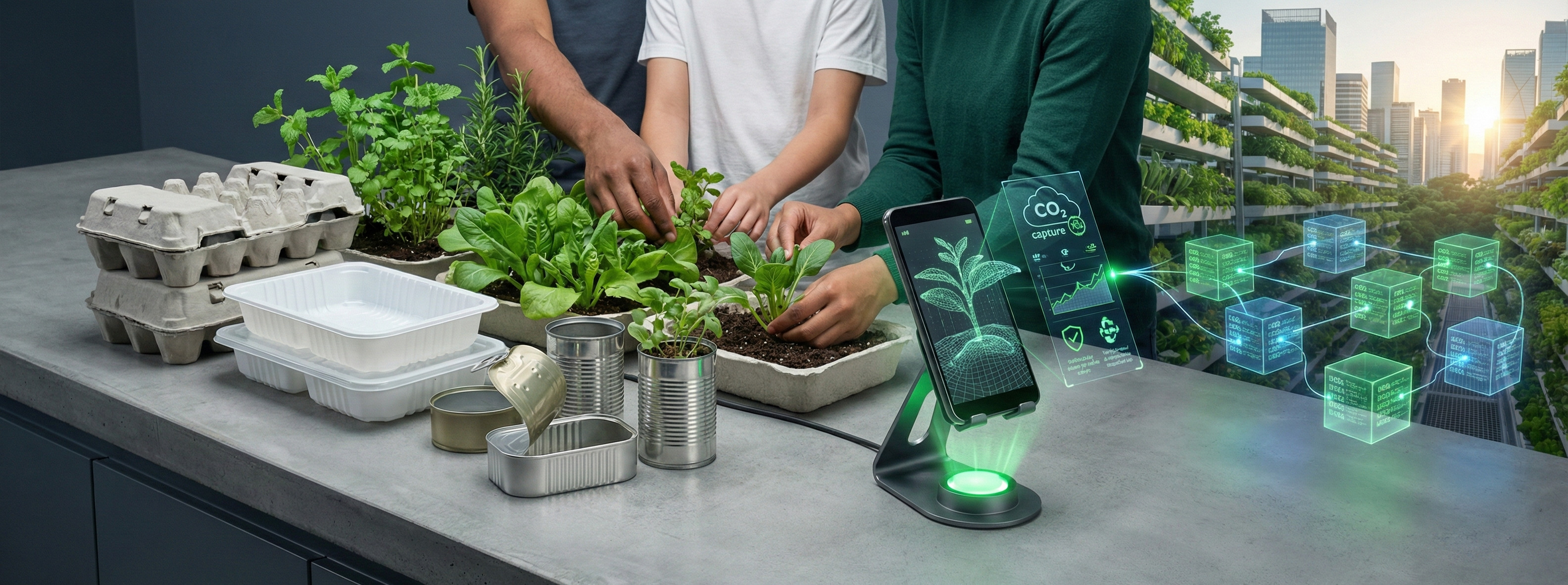
2. Grow the High-Markup Items
The most expensive ingredients per gram are often:
- Fresh herbs
- Salad greens
- Soft fruits
- Cherry tomatoes
They spoil quickly, so shops price in waste and logistics risk.
They’re also the easiest things to grow at home.
Even a windowsill can offset:
- Basil
- Spinach
- Mixed leaves
- Scallions
A balcony can handle:
- Kale
- Cherry tomatoes
- Beans
You don’t need to grow everything.
Just replace the parts that cost the most relative to effort.
A Practical Middle Ground
This isn’t about abandoning supermarkets.
It’s about reducing exposure.
If you grow flavour and freshness, you lower your reliance on the most volatile parts of the system.
Small, consistent offsets compound over time.
Where Neuracorn Fits
Neuracorn helps you:
- Track what you grow
- Plan planting cycles
- Reduce waste
- Build consistency
But even without an app, the principle stands:
Grow the expensive parts.
Technical Appendix & Data Sources
| Data Point | Source & Link |
|---|---|
| UK Farm Profit Loss (30%) | Savills / Defra Farming Profitability Review 2026 |
| Logistics Costs ($1.779/mile) | ATRI 2025/2026 Analysis |
| Household Waste Stats (26%) | EPA Food Waste Statistics |
| UK Import Dependency | Gov.UK Food Security Digest 2025 |
| FDF Inflation Forecast | Food & Drink Federation 2026 |
More posts
Global Agrifood Crisis of 2026: Why Your Groceries are Skyrocketing
8/5/2026
An analysis of input volatility, supply chain disruption, and the systemic tipping point facing global farmers.
Food and War - The Greatest Crisis Since COVID
2/4/2026
The devastating impact of war on farming costs and the inevitable global food shortage.
Grow the Expensive Parts: A Practical Home-Grown Menu for 2026
18/2/2026
Instead of replacing your weekly shop, grow the ingredients supermarkets mark up the most — herbs, greens, and fresh produce. A simple, practical grow plan.